
The vast expanse of our planet’s water bodies holds tremendous potential for economic growth, trade, and ecological conservation. However, many of these waterways face challenges like sediment accumulation, navigation hazards, and infrastructure maintenance. To overcome these obstacles and unlock the full potential of our oceans, rivers, and harbors, expert marine excavation and dredging services play a pivotal role. This article delves into the significance of expert marine excavation and dredging, highlighting their benefits, applications, and environmental considerations.
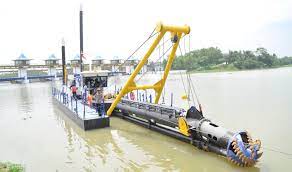
St. Petersburg Marine excavation and dredging are specialized operations that involve the removal and relocation of sediments, soil, or other materials from the bottom of water bodies to improve navigation, harbor access, flood protection, and environmental preservation. The process requires expertise, advanced machinery, and environmentally conscious practices to ensure minimal ecological impact.
Navigation and Harbor Maintenance: Sedimentation over time can hinder the smooth passage of vessels and compromise harbor access. Expert marine excavation and dredging help maintain navigable channels, ensuring the continuous flow of maritime traffic and promoting efficient trade and transportation.
Land Reclamation: In coastal regions and low-lying areas, marine excavation and dredging can be used to reclaim land from the sea, creating new opportunities for urban development, ports, or recreational facilities.
Flood Prevention and Management: Dredging plays a crucial role in flood prevention by increasing the capacity of rivers and waterways to hold excess water during heavy rainfall or storm events, mitigating the risk of flooding.
Environmental Restoration: Dredging can also serve as a vital tool in restoring ecosystems impacted by pollution or human activities. By removing contaminants and pollutants, experts can create a healthier habitat for aquatic life to flourish.
Infrastructure Maintenance: For bridges, pipelines, or other submerged structures, marine excavation helps maintain and repair infrastructure effectively, extending their lifespan and functionality.
Sediment Disposal: One of the most significant challenges of marine excavation and dredging is the proper disposal of the removed materials. Careful consideration is required to avoid impacting other areas or contaminating water bodies with the dredged sediments.
Ecological Impact: Unplanned or poorly executed dredging activities can disrupt marine ecosystems, harm aquatic life, and disturb delicate habitats. Adopting eco-friendly practices and thorough environmental impact assessments is essential to minimize the ecological consequences.
Navigational Safety: During the dredging process, the presence of dredging vessels and equipment can pose risks to navigation. Proper safety protocols must be followed to avoid accidents and protect the workers and the public.
Cost and Time-Intensiveness: Marine excavation and dredging operations can be expensive and time-consuming due to the specialized equipment, skilled workforce, and environmental precautions required. Proper planning and project management are crucial to ensure cost-effectiveness and timely completion.
As technology continues to advance, the field of marine excavation and dredging is witnessing significant innovations. Robotics, artificial intelligence, and automation are being integrated into dredging equipment, enhancing efficiency and precision while reducing environmental impact.
Moreover, research and development are ongoing to develop sustainable dredging methods that prioritize environmental conservation, reuse of dredged materials, and responsible sediment management.
Expert marine excavation and dredging are indispensable tools in maintaining, preserving, and utilizing our water bodies to their fullest potential. By embracing advanced technologies and sustainable practices, we can strike a balance between economic development and environmental stewardship. As the world becomes increasingly reliant on water-based trade and transportation, the role of expert marine excavation and dredging will continue to grow, shaping a sustainable and prosperous future for our waterways.